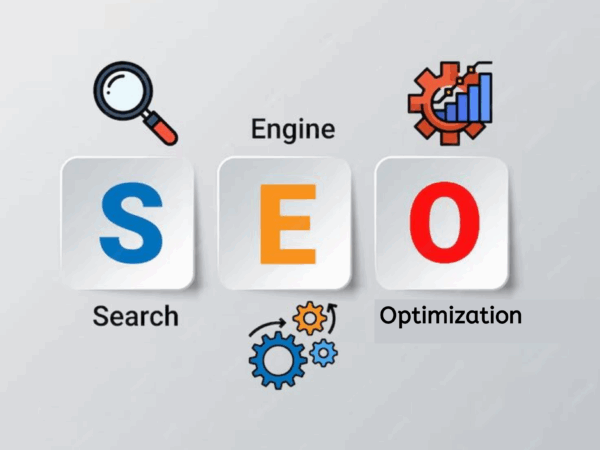
Search engine optimization, commonly known as SEO, is the process of improving a website so that it ranks higher on search engines like Google. When people search for information, products, or services online, SEO helps ensure that your website appears in the results, making it easier for potential customers to find you.
At its core, SEO is about understanding what people are searching for and optimizing your website to meet those needs. Search engines use complex algorithms to analyze websites and decide which ones should appear first for a given search query. These algorithms consider many factors, including the quality of content, relevance to the search term, website performance, and overall user experience.
SEO can be divided into three main areas: on-page SEO, off-page SEO, and technical SEO. On-page SEO focuses on the content and structure of your website. This includes using the right keywords, creating valuable content, optimizing headings, and ensuring that each page is clear and easy to understand. The goal is to make your content relevant to what users are searching for.
Off-page SEO, on the other hand, involves activities outside your website that help build its credibility and authority. One of the most important aspects of off-page SEO is backlinks, which are links from other websites pointing to yours. When reputable sites link to your content, it signals to search engines that your website is trustworthy and valuable.
Technical SEO deals with the behind-the-scenes elements that affect how search engines crawl and index your website. This includes improving website speed, ensuring mobile responsiveness, fixing broken links, and organizing your site structure. A technically sound website makes it easier for search engines to understand and rank your content.
Keywords play a central role in how SEO works. These are the words and phrases people type into search engines when looking for information. By researching and using the right keywords in your content, you increase the chances of your website appearing in relevant search results. However, it is important to use keywords naturally and focus on providing useful information rather than simply trying to rank.
Another key factor in SEO is content quality. Search engines prioritize websites that offer valuable, informative, and original content. Regularly updating your website with fresh content, such as blog posts, guides, and articles, helps keep your site relevant and improves its chances of ranking higher.
User experience is also critical. Search engines consider how visitors interact with your website, including how long they stay, how quickly pages load, and how easy it is to navigate. A website that is fast, mobile-friendly, and easy to use is more likely to perform well in search rankings.
SEO is not a one-time effort but an ongoing process. Search engine algorithms are constantly evolving, and competition is always increasing. This means businesses need to continuously monitor their performance, update their strategies, and adapt to new trends to maintain and improve their rankings.
The importance of SEO lies in its ability to drive organic traffic. Unlike paid advertising, where you have to pay for every click, SEO helps you attract visitors naturally over time. This makes it a cost-effective and sustainable way to grow your online presence and reach a wider audience.
In today’s digital world, having a website is not enough. Without SEO, even the best-designed website may go unnoticed. By investing in SEO, businesses can increase visibility, build credibility, and connect with the right audience at the right time.
If you need to create/revamp a website, we’ll be glad to help out.
Kindly reach out to us now Via:
www.timestweb.net ; www.timestweb.com
start@timestweb.net
– +234 813 587 7642; +234 915 745 2665