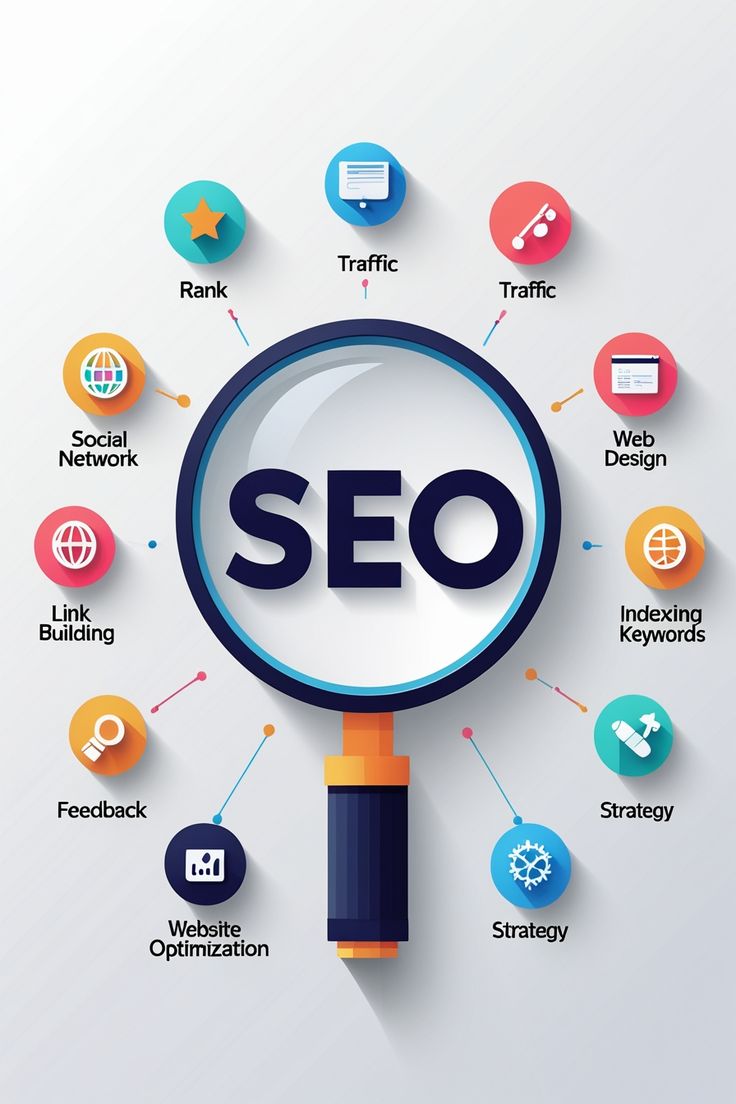
Optimizing your website’s title tags is a crucial step in improving both search engine rankings and user engagement. Title tags play a pivotal role in shaping a website’s visibility, user experience, and search engine optimization (SEO) performance.
Why Title Tags Matter
– Search Engine Visibility: Title tags help search engines understand the content and relevance of a webpage, making them a critical element in determining search engine rankings.
– User Experience: Title tags appear as clickable headlines in search results, influencing user experience and click-through rates.
– SEO Ranking Factor: Optimized title tags can improve keyword rankings, driving more traffic to your website.
Best Practices for Optimizing Title Tags
1. Use Target Keywords: Include relevant keywords in your title tags to improve search engine rankings and visibility.
2. Keep it Concise and Descriptive: Aim for 50-60 characters to ensure your title tags are fully displayed in search results.
3. Make it Compelling: Craft title tags that entice users to click through, using persuasive language and emotional triggers.
4. Use Branding Wisely: Include your brand name in title tags to enhance recognition and trust among users.
5. Avoid Duplicate Titles: Use unique title tags for each page to avoid content duplication and improve user experience.
6. Test and Optimize: Continuously test and refine your title tags to ensure they remain effective in driving traffic and improving SEO.
Benefits of Optimizing Title Tags
1. Improved Search Engine Rankings: Optimized title tags can boost your website’s visibility and ranking in search engine results.
2. Increased Click-Through Rates: Compelling title tags can drive more traffic to your website, improving user engagement and conversion rates.
3. Better User Experience: Clear and descriptive title tags improve the overall user experience, setting expectations for the content and reducing bounce rates.
Advanced Techniques for Title Tag Optimization
1. Leverage Synonyms and Related Keywords: Use synonyms and related keywords to cover a broader range of search queries and improve page relevance.
2. Dynamic Title Tags: Use dynamic variables to customize title tags based on user behavior or demographics.
3. A/B Testing: Test different title tags to determine which ones perform better and drive more traffic.
Tools for Optimizing Title Tags
1. Google Search Console: Monitor and analyze title tag performance, tracking click-through rates and search engine rankings.
2. Google Analytics: Analyze user behavior and track the effectiveness of your title tags in driving traffic and conversions.
3. SEO Tools: Utilize SEO tools like SurferSEO, Semrush, and Moz to analyze and optimize your title tags for better performance.