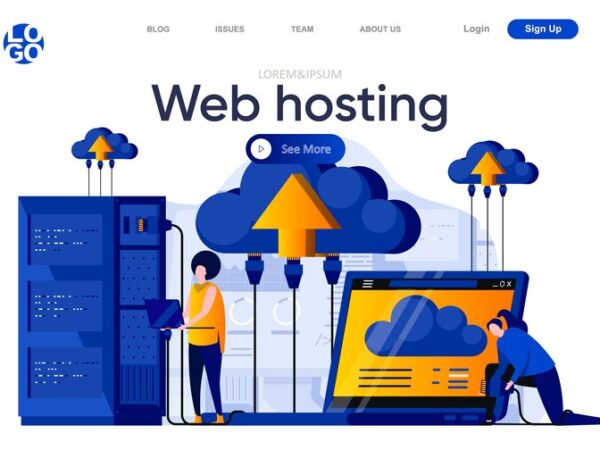
Cloud hosting is a modern infrastructure model that uses a network of virtual servers to host websites and applications. Unlike traditional hosting, which relies on a single physical machine, cloud hosting pulls resources from a vast pool of hardware. This distributed approach provides a level of reliability and flexibility that was previously only available to major corporations.
☁️ How Cloud Hosting Works
Cloud hosting functions through a technology called virtualization.
- Virtual Servers: A physical server is divided into multiple virtual machines.
- Resource Pooling: Multiple servers are linked together to act as one giant resource.
- Dynamic Allocation: If one physical server fails, another in the network immediately takes over.
- Load Balancing: Traffic is spread across the network to prevent any single point from slowing down.
✅ Key Benefits
- Scalability: You can increase or decrease resources (RAM, CPU) instantly based on traffic spikes.
- High Availability: Since your data is mirrored across multiple machines, downtime is extremely rare.
- Pay-as-You-Go: Most providers charge only for the resources you actually consume.
- Performance: Faster loading speeds are achieved by accessing data from the nearest physical node.
❌ Potential Drawbacks
- Pricing Complexity: Monthly bills can fluctuate, making it harder to predict exact costs.
- Technical Knowledge: Setting up and managing a cloud environment often requires more expertise than shared hosting.
- Security Concerns: Because resources are shared across a network, businesses must implement strict custom security protocols.
🏢 Types of Cloud Environments
- Public Cloud: Services provided over the public internet (e.g., AWS, Google Cloud, Azure).
- Private Cloud: A cloud environment dedicated exclusively to one organization, offering maximum security.
- Hybrid Cloud: A mix of both, allowing sensitive data to stay private while using the public cloud for high-traffic tasks.
🎯 Who Is It For?
Cloud hosting is the ideal choice for growing businesses, e-commerce stores with seasonal traffic, and developers building complex applications. It is less suited for small, static personal blogs where a simple shared hosting plan would be more cost-effective.